Baylor Dining Halls: Hours, Meal Plans, and When to Cook for Yourself

Every Baylor student spends their freshman year swiping into the same dining halls, eating the same rotating menu, and wondering whether the meal plan math actually works in their favor. By sophomore year, the calculation changes — and for students moving off campus, it changes dramatically.
Here's everything you need to know about Baylor's dining system: where you can eat, what the baylor meal plan options actually cost, and when it makes more financial sense to cook your own food.
Where Are Baylor's Dining Halls?
Baylor has several all-you-can-eat (AYCF) dining locations plus multiple retail dining spots scattered across campus. The baylor dining halls you'll use most depend on where you live.
All-you-can-eat dining locations:
- Penland Dining — the main undergraduate dining hall, centrally located near the South Russell and Penland residence halls
- Memorial Dining — serves students in the Memorial, Martin, Allen, and Dawson corridor on the south side of campus
- East Village Dining — serves the East Village residential communities
- Brooks Great Hall — the Brooks Residential College dining hall; Sunday night dinners are exclusive to Brooks residents, but the hall is open to all students during regular meal periods
Retail dining spots across campus:
- Chick-fil-A (Baylor Sciences Building)
- Starbucks (Moody Memorial Library, McLane Student Life Center)
- Rising Roll sandwich shop
- Café locations in the SUB (Student Union Building) and Baylor Sciences Building
Baylor dining hall hours vary by location and meal period. AYCF dining halls typically run Monday–Friday 7am–9pm, with reduced hours on weekends. Retail spots generally open later and close earlier. Check the Baylor Dining Services portal for current baylor dining hall hours — they shift during finals, holiday breaks, and between semesters.
How Baylor Meal Plans Actually Work
Baylor meal plans run on three currencies:
- Meal Swipes — your primary access to AYCF dining halls; each swipe covers one unlimited meal period
- Sic 'em Swipes — weekly swipes usable at retail dining locations (not AYCF halls)
- Dining Dollars — a declining balance for retail purchases, vending, and off-swipe meals
The Main Plan Options
All Access 7-Day Plan (Best Value): Unlimited daily swipes, 5 Sic 'em Swipes per week, $300 Dining Dollars per semester, and 5 guest meals. This is the plan freshmen are automatically enrolled in if they don't make a selection before the semester starts.
All Access 7-Day Plan (Standard): Same unlimited swipes and 5 Sic 'em Swipes per week, but $150 Dining Dollars instead of $300.
All Access 5-Day Plan: Unlimited swipes Monday–Friday only, 3 Sic 'em Swipes per week, $200 Dining Dollars. Students who go home on weekends can downgrade to this plan within the first two weeks of the semester.
Block Plans (Upperclassmen and Commuters): Available in 170, 100, 65, or 40 swipes per semester, paired with varying amounts of Dining Dollars. Block plans are designed for students who want occasional campus dining without the cost of an unlimited plan.
Who Has to Have a Baylor Meal Plan?
Required:
- Freshmen living in traditional residence halls must have an All Access plan
- Brooks Residential College residents — meal plan is part of the LLC requirement
- Teal Residential College residents — same requirement
Optional:
- Upperclassmen living on campus (but not in a residential college)
- Off-campus and commuter students — eligible to purchase any plan, including block plans
If you're moving off campus, understanding this distinction is the first step in figuring out your dining budget.
The Real Cost of a Baylor Meal Plan
Baylor doesn't make the meal plan price easy to find on a single page, but here's the honest math:
Full resident All Access plans run approximately $2,000–$3,000 per semester, which translates to $250–$375 per month across a nine-month academic year. The Block 170 plan costs less upfront but limits you to around two to three campus meals per day before you run out by mid-semester if you're eating three meals daily.
Dining Dollars carry over from fall to spring within the same academic year, but they expire at the end of the spring semester. Don't let them sit unused — Starbucks and Chick-fil-A on campus both accept them.
One thing students often overlook: meal plan charges appear on the student account alongside tuition and fees, which can obscure the actual monthly cost until the bill arrives. If you're on financial aid and every dollar matters, knowing you're spending $250–$375 per month on dining is worth factoring into your total housing and living budget.
When the Meal Plan Math Stops Working
For freshmen, the math is clear: you're required to have a plan, and AYCF access has real value when you're living in a dorm without a kitchen.
By sophomore year — especially if you're moving to an off-campus apartment with a full kitchen — the calculation shifts.
Cooking at home in a two-bedroom apartment costs roughly $150–$250 per month in groceries, depending on how often you eat out. That's a savings of $100–$125 per month compared to the cheapest All Access plan, and up to $225 per month against the premium plan.
Over a full academic year, cooking at home saves an estimated $1,200–$2,700 compared to maintaining a full resident baylor meal plan.
There are still cases where a commuter block plan makes sense:
- You have long class days with back-to-back classes and no realistic time to go home for lunch
- Your schedule lands you on campus during meal hours three to four days per week
- You're in a study group that meets in the library during lunch hours
The Block 40 or Block 65 plans are built for exactly this scenario: occasional campus dining without the monthly commitment. The cost per swipe is more transparent, and Dining Dollars cover retail spots when you just need a coffee between classes.
Centre Apartments and the Off-Campus Kitchen Advantage
When students move to a gated, walking-distance apartment like Centre at 1901 S 11th Street, the kitchen setup changes the calculation entirely.
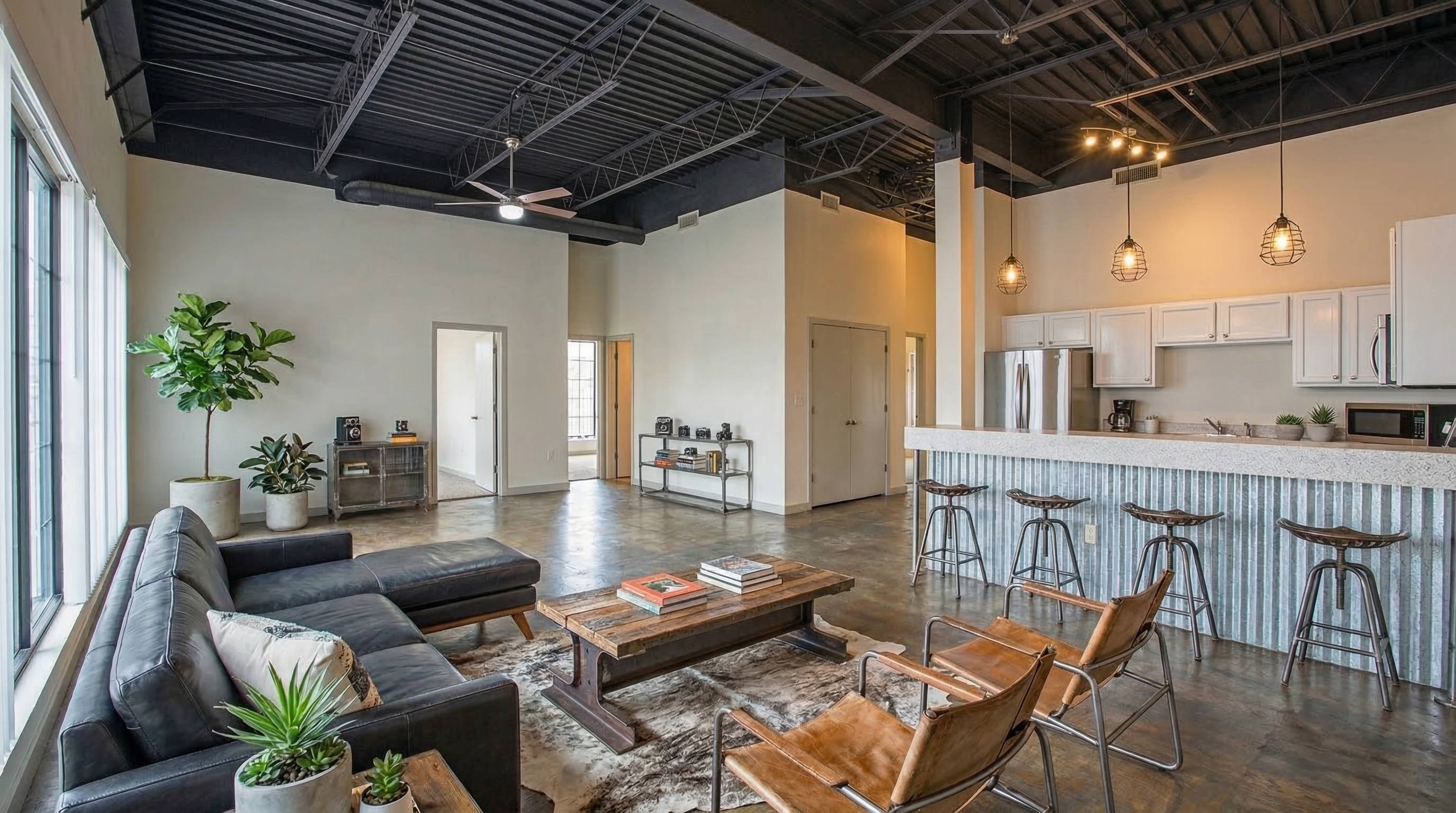
Every Centre apartment includes a full kitchen and an in-unit washer/dryer. High-speed internet is included in the lease — no separate setup, no contracts. Three line items that cost extra elsewhere are already bundled into one monthly rent. That changes how much of your budget is left for groceries.
The real cost breakdown between staying in a Baylor dorm versus moving off campus shows that even after accounting for groceries, off-campus residents typically come out ahead annually — assuming they cook regularly.
If your schedule is genuinely packed and cooking feels unrealistic, that's worth factoring in honestly before you cancel a meal plan. But most students who commit to grocery shopping — even just for breakfast and dinner at home — find the savings significant enough to stick with it through the year.
Comparing Your Options: A Practical Framework
Before deciding whether to keep a baylor meal plan after your freshman year, think through this:
Keep the All Access plan if:
- You're required to (freshman, Brooks or Teal LLC resident)
- You have five or more campus meals per week with no realistic time to go home
- You're living in on-campus housing without a full kitchen
Buy a block plan if:
- You live off campus but have two to four campus lunch days per week
- You want the option to eat on campus occasionally without a full monthly commitment
- You're managing a tight schedule with unpredictable class lengths
Skip the meal plan entirely if:
- You're in an off-campus apartment with a full kitchen
- You can realistically cook 80% or more of your meals at home
- The $1,200–$2,700 annual savings would meaningfully improve your budget
Practical Tips for Baylor Dining
Check the menu before you swipe. Baylor posts weekly dining menus on the DineOnCampus portal. Checking ahead prevents the frustration of burning a swipe on a meal you don't want.
Don't confuse Sic 'em Swipes with regular swipes. Sic 'em Swipes work at retail locations — Chick-fil-A, Starbucks, and other campus retail spots. They do not get you into the AYCF dining halls. A lot of freshmen learn this the hard way.
Use Dining Dollars before spring semester ends. They expire at the end of the academic year. If you have $100 left in April, spend it at campus retail rather than losing it.
Know the holiday schedule. Dining halls reduce hours or close entirely during Thanksgiving break, winter break, and spring break. If you're staying in Waco during a break period, verify that your usual hall is open before counting on it.
Track your block plan balance. Block plan students can easily underestimate how quickly swipes go. Log into the DineOnCampus portal periodically to check your remaining balance and adjust how often you're eating on campus.
Making the Housing and Dining Decision Together
The Baylor Housing Costs by Year breakdown shows that freshman on-campus costs — room plus required meal plan — can run $14,000–$18,000 for the year. By sophomore year in a two-bedroom apartment split with a roommate, the total drops to roughly $8,400–$13,200 per person annually, before accounting for grocery savings on top.
That gap widens further if you skip the meal plan and cook at home.
If you're planning the off-campus switch, Dorm to Apartment: A Baylor Sophomore's Guide walks through the full transition — from lease timing and roommate logistics to what you actually need in a first apartment kitchen.
And if you want to see what that off-campus setup looks like, schedule a tour at Centre or browse available floor plans. Walking distance to campus, full kitchens, and no separate internet bill — the combination that makes cooking (and saving money) realistic from day one.